
Ensuring workplace safety: best practices when using Keencut cutters
- QuickByDesign
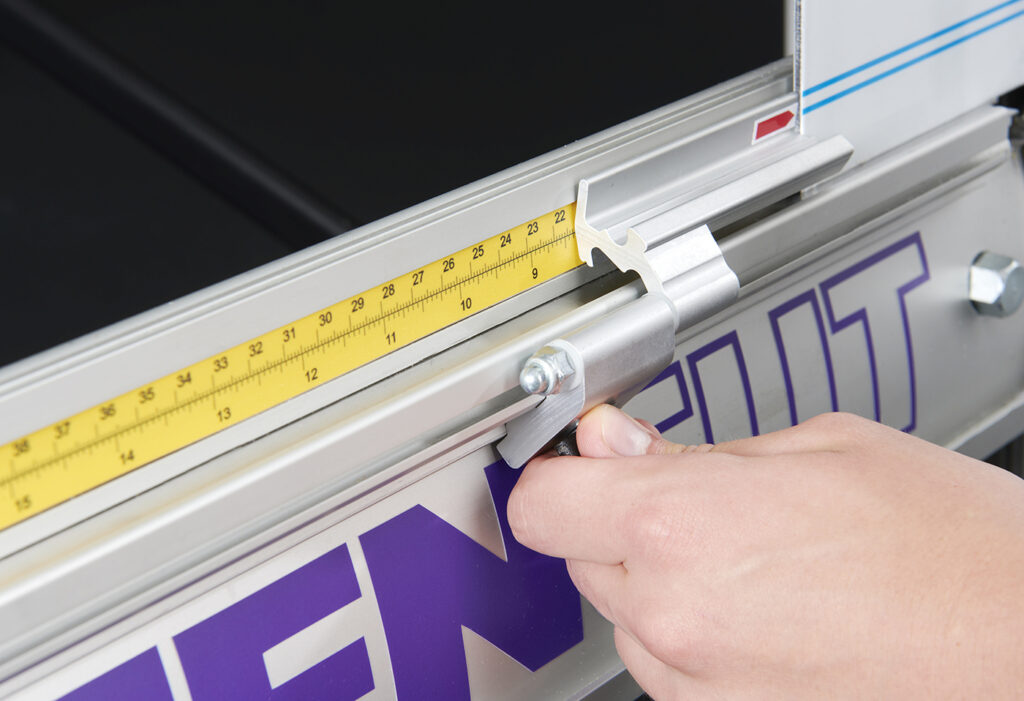
Every day, businesses large and small tackle myriad tasks. Among these is the ongoing responsibility to ensure the safety and well-being of everyone on the premises.
A safe workplace not only fosters a sense of trust and respect among employees, but also helps maintain productivity. After all, accidents can result in downtime, injury and even legal complications. In sectors where equipment like cutters is regularly used, this commitment to safety is all the more crucial.
Enter Keencut cutters. Renowned for their precision and durability, they are a staple in various industries – from graphic design to construction. Whether it’s trimming delicate paper artwork or slicing through tougher materials, Keencut’s range offers a solution for almost every cutting need. However, as with all equipment, using them safely is paramount. A cutter’s effectiveness and efficiency should never come at the cost of safety.
Understanding the risks
Cutting tools, by their very nature, come with risks. They are designed to slice, dice and trim, and if not handled correctly, can lead to injuries. Some common hazards include:
- Cuts and abrasions: This might sound obvious, but even the most experienced professional can slip up if they become complacent. A momentary lapse in concentration can result in a minor cut or, worse, a deep gash.
- Material kickbacks: When materials aren’t secured properly, there’s a risk they could move suddenly during the cutting process, potentially leading to injury.
- Eye and face injuries: Flying debris can pose a risk, especially when cutting harder materials or when the blade becomes unexpectedly snagged.
While Keencut cutters are designed with user safety in mind, it’s essential to be aware of potential risks specific to their models. Unlike some other tools, certain Keencut models may have more blade exposure, making it crucial to handle them with care and attention.
Given the robustness of some Keencut models, they can handle larger and heavier materials, which, if not managed correctly, can increase the risk of strains or crushing injuries. Like any piece of equipment, wear and tear or lack of maintenance can lead to mechanical issues, increasing the risk of unexpected movements or cuts. In understanding these risks, you and your business are better positioned to prevent them.
Safety features of Keencut cutters
Keencut understands the importance of safety in your workspace. That’s why its cutters come equipped with various built-in safety features to help protect you and your team. Many Keencut models feature a blade safety cover or an integrated guard that shields the blade when it’s not in use, significantly reducing the risk of accidental contact.
Some cutters come with a self-retracting blade system, ensuring that the blade withdraws after each cut. This feature greatly minimises the chance of accidental injury. To prevent any fingers from getting too close to the cutting blade during operation, finger guards are a common safety feature in many Keencut models.
In addition to the basic safety mechanisms, Keencut cutters often boast advanced features to bolster safety. Cut depth adjustment allows for precise control of blade depth, ensuring that you only cut the intended material and not the surface underneath or your fingers.
Reliable material clamping systems ensure that whatever you’re cutting stays firmly in place, reducing the risk of slips and movement that could lead to accidents. The ergonomic design of the cutters often takes into account the user’s comfort and ease of use, which, in turn, can reduce fatigue-related errors and enhance safety.

Best practices in using Keencut cutters
Before you start using your Keencut cutter, a few simple checks can make all the difference in ensuring a safe operation. Regularly check for any signs of damage or wear, particularly on the cutting blade and the cutting mat. Ensure safety features like blade guards and finger protectors are in place and functioning correctly. Keep your cutter clean and well-maintained. A well-lubricated and clean cutter is less likely to malfunction and is safer to use.
Using your cutter correctly is vital for safety. Always use the cutter as instructed by Keencut. This means understanding how to operate it safely and what each component does. Avoid using excessive force or pressure, which can lead to the blade slipping or the material shifting. Make sure materials are adequately secured and handled with care to prevent sudden movements.
Finally, some simple but effective tips to help you avoid common accidents include:
- Keep the workspace organised: A clutter-free area prevents accidental trips and falls, especially around cutting equipment.
- Wear protective gear: Safety goggles and cut-resistant gloves can offer an extra layer of protection.
- Stay focused: Keep your attention on the cutting task. Distractions can lead to mistakes and injuries.
By understanding and applying these safety features and best practices, you and your business can utilise Keencut cutters to their fullest potential, ensuring a safer and more productive working environment.
Creating a safe work environment
Ensuring a safe workplace starts with proper training and awareness for everyone involved. Your business can significantly benefit from regular, comprehensive training sessions for all staff members who will be using the Keencut cutters. Ensure each team member knows how the cutters work, what their safety features are, and how to use them correctly.
Educate your staff about the risks associated with the cutters and how to avoid them. Train your team in how to react in case of an accident. Knowing first-aid procedures and how to handle cutter-related injuries can be lifesaving. Safety protocols are not just a formality; they’re essential to protect your staff and your business.
Develop a set of safety guidelines specific to the use of Keencut cutters and ensure they are easily accessible to all employees. Have clear, well-practised procedures in place for dealing with emergencies, such as injuries from cutter mishaps.
Regular inspections and updates of your cutting equipment and the surrounding environment ensure everything remains in top condition, which is key for safety. Regularly inspect cutters for signs of wear, damage or misalignment. And keep your cutters and safety equipment up-to-date, replacing or upgrading them as necessary.
Safety gear and personal protective equipment (PPE)
The right PPE can be crucial for preventing injuries when using Keencut cutters. Your team should always use cut-resistant gloves, which can protect hands from blade-related accidents. Safety glasses shield eyes from flying debris or accidental splinters that might occur while cutting.
And if working in an environment where multiple cutters are in use or in areas with high noise levels, always use ear protectors.
How can Creative Office Solutions help?
To maintain the utmost safety when using Keencut cutters in your business, remember:
- Thorough training and staff awareness are vital.
- Implement and adhere to safety protocols and emergency procedures.
- Regular inspections and maintenance of equipment and PPE are crucial for ongoing safety.
Your business’s commitment to safety with the use of Keencut cutters doesn’t just protect your staff; it also enhances productivity and maintains the high quality of work. Keeping safety at the forefront means your business can continue to operate smoothly and efficiently, harnessing the full potential of Keencut’s cutting-edge technology while ensuring a safe and secure working environment for all.
For advice on how to keep you and your team safe when working with your Keencut cutters, give us a shout.
